
Dental Filling or Root Canal Treatment: Which Treatment Can Save Your Tooth?
A sudden toothache can quickly turn a normal day into an uncomfortable experience. Many people wonder whether they need a simple dental filling or a root canal treatment (RCT) to fix the problem. The answer depends on how much damage the tooth has suffered and how early the issue is diagnosed.
For parents, this concern becomes even more important when dealing with child tooth pain cavity problems. Understanding the difference between a filling and an RCT can help you make informed decisions and prevent serious dental complications.
In this guide, we'll explain how each treatment works, when it is needed, and which option can truly save your tooth.
Understanding Tooth Decay
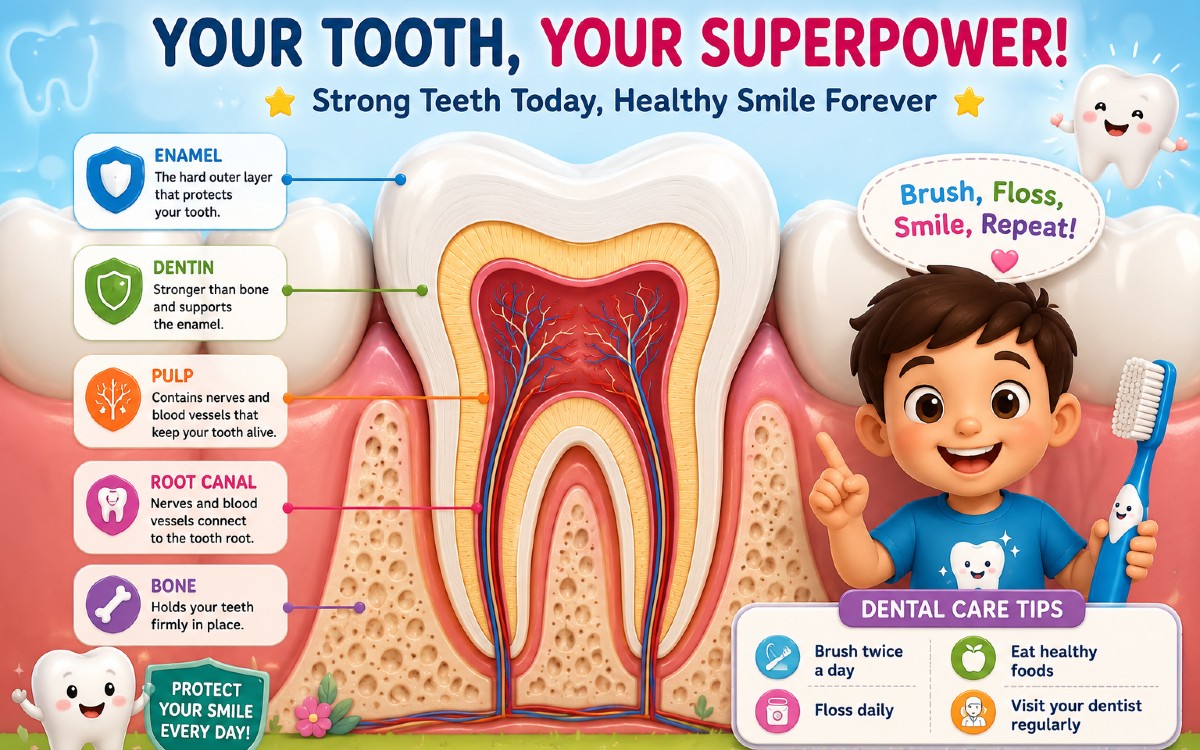
Tooth decay does not happen overnight. It develops gradually when bacteria in the mouth produce acids that damage the tooth enamel.
The decay typically progresses through these stages:
Enamel damage
Dentin decay
Pulp infection
Tooth abscess
If detected early, a dental filling is often enough. However, when the infection reaches the inner pulp of the tooth, root canal treatment may become necessary.
What Is Dental Filling?
A dental filling is a common procedure used to repair minor to moderate cavities. The dentist removes the decayed portion of the tooth and fills the space with a durable material.
Benefits of Dental Fillings
Stops cavity progression
Restores tooth function
Preserves natural tooth structure
Quick and minimally invasive procedure
Usually completed in one visit
Signs You May Need a Filling
Mild tooth sensitivity
Small visible holes in the tooth
Occasional discomfort while eating sweets
Early-stage cavities detected during dental checkups
For children experiencing a child tooth pain cavity, early treatment with a filling can prevent the need for more extensive procedures later.
What Is Root Canal Treatment (RCT)?
Root Canal Treatment is performed when tooth decay or infection reaches the pulp, which contains nerves and blood vessels.
During the procedure:
The infected pulp is removed.
The inside of the tooth is cleaned and disinfected.
The root canals are sealed.
A crown may be placed to strengthen the tooth.
RCT helps save a severely damaged tooth that might otherwise require extraction.
Signs You May Need a Root Canal
You may require RCT if you experience:
Persistent Tooth Pain
Pain that doesn't go away or worsens over time.
Extreme Sensitivity
Lingering sensitivity to hot or cold foods and beverages.
Swollen Gums
Inflammation or tenderness around the affected tooth.
Tooth Discoloration
A darkened tooth may indicate nerve damage.
Abscess Formation
A pimple-like swelling near the tooth can signal infection.
Ignoring these symptoms may allow the infection to spread to surrounding tissues and bone.
Both treatments aim to preserve your natural tooth, but they address different levels of damage.
Which Treatment Can Actually Save Your Tooth?
The truth is that both treatments save teeth—but at different stages.
When a Filling Saves Your Tooth
A filling is ideal when:
Decay is limited to the outer layers.
There is no nerve infection.
The tooth structure remains strong.
Early intervention allows dentists to preserve more of the natural tooth.
When RCT Saves Your Tooth
RCT becomes necessary when:
Infection reaches the pulp.
Severe pain is present.
The tooth is at risk of extraction.
Without treatment, the infection can worsen and eventually lead to tooth loss.
Child Tooth Pain Cavity: When Should Parents Be Concerned?
Many parents assume baby teeth are not important because they eventually fall out. However, untreated cavities in children can cause:
Pain and discomfort
Difficulty eating
Speech development issues
Infection spread
Premature tooth loss
If your child complains of tooth pain, don't ignore it.
Early evaluation by the best child dentist specialist can determine whether a simple filling is enough or if more advanced treatment is needed.
Regular dental visits help identify cavities before they become serious.
Can a Filling Prevent the Need for RCT?
Absolutely.
One of the biggest advantages of routine dental checkups is catching decay early.
Here are some preventive steps:
Brush Twice Daily
Use fluoride toothpaste and proper brushing techniques.
Limit Sugary Foods
Reduce candy, soft drinks, and sticky snacks.
Schedule Regular Dental Visits
Professional examinations help detect cavities early.
Consider Dental Sealants
Sealants offer additional protection for children's teeth.
Treat Small Cavities Promptly
A small filling today can prevent an RCT tomorrow.
What Happens If You Delay Treatment?
Delaying treatment can turn a minor cavity into a major dental problem.
Possible consequences include:
Increased tooth pain
Infection spread
Gum swelling
Higher treatment costs
Tooth extraction
Many patients who initially need only a filling end up requiring a root canal because treatment was postponed.
Early action always leads to better outcomes.
How Dentists Decide Between a Filling and RCT
Dentists evaluate several factors before recommending treatment:
Clinical Examination
Checking visible decay and symptoms.
Digital X-Rays
Assessing the depth of the cavity.
Sensitivity Testing
Determining whether the pulp is affected.
Patient Symptoms
Understanding pain levels and duration.
Based on these findings, the dentist creates a treatment plan designed to save the tooth while minimizing discomfort.
Tips for Maintaining Healthy Teeth
Whether you've had a filling or RCT, good oral hygiene remains essential.
Follow these simple tips:
Brush twice daily.
Floss every day.
Drink plenty of water.
Avoid excessive sugar consumption.
Visit your dentist every six months.
Wear a mouthguard if you grind your teeth.
Healthy habits can significantly reduce your risk of future dental problems.
Conclusion
When it comes to protecting your smile, the right treatment depends on how far tooth decay has progressed. A dental filling is usually the best option for early-stage cavities, while Root Canal Treatment is necessary when infection reaches the inner pulp of the tooth.
The key is not choosing between a filling and an RCT—it's seeking treatment before the problem becomes worse.
If you or your child are experiencing symptoms of a child tooth pain cavity, don't wait until the pain becomes severe. Consulting the best child dentist specialist early can help preserve natural teeth, prevent complications, and ensure a healthy smile for years to come.
Frequently Asked Questions (FAQs)
1. How do I know if I need a dental filling or a root canal?
If the cavity is small and hasn't reached the tooth's nerve, a dental filling is usually enough. However, if you have severe pain, swelling, or a deep infection, Root Canal Treatment (RCT) may be required. A dentist can confirm the best treatment after an examination.
2. Can a dental filling save a tooth?
Yes. A dental filling can save a tooth when decay is detected early. It removes the damaged portion of the tooth and prevents the cavity from getting worse.
3. Is Root Canal Treatment painful?
Modern Root Canal Treatment is generally comfortable and performed under local anesthesia. Most patients feel relief from pain after the infected pulp is removed.
4. What happens if I delay treatment for a cavity?
Delaying treatment can allow the cavity to grow deeper, potentially reaching the tooth's pulp. This may lead to infection, severe pain, and the need for a root canal instead of a simple filling.
5. How long does a dental filling last?
Depending on the material used and oral hygiene habits, dental fillings can last anywhere from 5 to 15 years or even longer.